




Understanding GDPR and Data Protection
The UK General Data Protection Regulation (UK GDPR), alongside the Data Protection Act 2018, forms an important part of the UK’s data protection framework.
If your organisation collects or uses information relating to identifiable individuals, data protection requirements are likely to affect the way that information is handled.
Personal data can include obvious information such as names, addresses and telephone numbers, but it can also include other information capable of identifying someone. The ICO describes processing very broadly: even simply holding personal information counts as processing.
Good data protection isn’t simply about policies and paperwork. Businesses also need to consider how information is accessed, stored, shared and protected through their technology. That’s where appropriate business cyber security and IT controls become particularly important.
That’s where Digicomm 360 can help.
Why Does GDPR Matter to Your Business?
Good data protection practices can help businesses understand the information they hold, why they need it and how it should be protected.

Protect Personal Information
Consider how customer, employee and other personal information is stored, accessed and protected.

Understand Your Data
Identify what personal information your organisation holds, where it is stored and how it moves through your business.
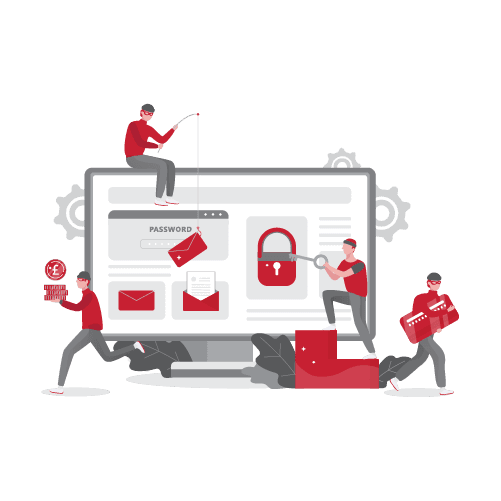
Reduce Data Security Risks
Identify weaknesses in the systems and processes used to store, access and transmit sensitive information.

Build Customer Trust
Being clear and responsible about how personal information is handled can help build confidence between your organisation, customers and employees.
Key Areas to Consider When Reviewing Data Protection
Every organisation processes information differently, which is why there isn’t a single technology solution that can make a business GDPR compliant.
A data protection review should consider the wider picture.
Personal Data
Understand what personal information your organisation collects, processes and stores.
Access & Password Security
Review who can access important information and whether effective business password protection is in place.
Email Security
Consider how personal and sensitive information is shared and how appropriate secure email solutions can help protect business communications.
Network Security
Review the firewall and network security measures protecting systems that store or process personal information.
Data Storage & Backups
Understand where information is stored, how long it is retained and how important business data is backed up.
Employee Awareness
Make sure employees understand their responsibilities when accessing, using and sharing personal information.
The Seven Principles of UK GDPR
The UK GDPR is built around seven key data protection principles. These should sit at the heart of how organisations approach the processing of personal information.
1. Lawfulness, Fairness & Transparency
Personal information should be processed lawfully, fairly and transparently. Organisations need an appropriate lawful basis and should be clear with people about how their information will be used.
2. Purpose Limitation
Be clear about why personal information is being collected and avoid using it for incompatible purposes.
3. Data Minimisation
Only collect and process the personal information that is necessary for your intended purpose.
4. Accuracy
Take appropriate steps to ensure personal information is accurate and kept up to date where necessary.
5. Storage Limitation
Personal information shouldn’t be kept for longer than it is needed.
6. Integrity & Confidentiality
Appropriate security measures should be used to protect personal information.
7. Accountability
Organisations are responsible for their data protection practices and should be able to demonstrate the measures they have taken.
Technology Plays an Important Role in Data Protection
GDPR isn’t an IT standard, but technology is involved in almost every modern organisation’s handling of personal information.
Customer records may be stored in cloud platforms. Employees communicate through email. Remote workers access company systems from outside the office. Personal information may also exist across laptops, mobile devices, CRM platforms, accounting software and numerous other business applications.
That makes cyber security an important part of protecting personal data.
Measures such as appropriate access controls, password protection, firewalls, AI-powered antivirus and endpoint protection and secure email can help reduce the risk of information being accessed, altered, lost or disclosed without appropriate authorisation.
Employee behaviour matters too. Training staff to recognise phishing, suspicious requests and poor data-handling practices can complement technical security controls.
Digicomm 360 can help organisations review these technology-related risks and recommend appropriate IT and cyber security measures.
Why Choose Digicomm 360?
GDPR covers far more than technology, but Digicomm 360 can help you address the IT and cyber security elements involved in protecting business and personal information.

Practical Technology Reviews
Understand how your current IT environment stores, shares and protects information.
Cyber Security Expertise
Identify security measures that can help protect systems and data against cyber threats.
Access & Password Protection
Strengthen the way employees access important accounts, applications and information.
Network Protection
Improve network security through appropriate firewall and cyber security measures.
Employee Awareness
Help employees understand cyber threats and develop safer working practices.
Ongoing IT Support
Our ongoing business IT support can help you review and improve your technology as your organisation, systems and security requirements evolve.
GDPR Is More Than a Privacy Policy
Publishing a privacy policy doesn’t automatically mean an organisation is meeting its data protection obligations.
Businesses need to understand what personal information they process, why they process it, the lawful basis for doing so, who can access it, how long it should be retained and what measures are appropriate to keep it secure.
The appropriate approach will vary between organisations because the UK GDPR is principles-based and requires businesses to consider their own processing activities and risks.
Digicomm 360 doesn’t provide legal advice or GDPR certification. Instead, we can help you understand and improve the technology and cyber security measures surrounding the information your organisation processes.
For authoritative guidance about your legal data protection obligations, businesses should refer directly to the UK’s data protection regulator, the Information Commissioner’s Office (ICO).
Frequently Asked Questions
What is GDPR?
GDPR stands for General Data Protection Regulation. In the UK, the UK GDPR forms part of the data protection framework alongside the Data Protection Act 2018. It sets requirements around how organisations process and protect personal information.
Does GDPR apply to small businesses?
Data protection requirements can apply to organisations of any size that process personal information. The exact obligations depend on the organisation and its processing activities. The ICO provides specific guidance and resources for small organisations.
Can Digicomm 360 make my business GDPR compliant?
Digicomm 360 can help identify and improve technology and cyber security measures relevant to protecting personal information, but GDPR covers legal, organisational and operational responsibilities as well as IT security. We don’t provide legal advice or GDPR certification.
What technology can help protect personal data?
Appropriate measures depend on the organisation and its risks, but they may include firewalls, endpoint protection, secure passwords, access controls, email security, backups, software updates and employee cyber security awareness.
Strengthen the Technology Protecting Your Business Data
Understand your IT and cyber security risks and put appropriate measures in place to help protect the personal information your organisation handles.
Looking to Strengthen Your Business Cyber Security?
Explore our latest cyber security guides, expert advice and practical insights to help protect your people, devices, data and systems from evolving online threats.

AI is rapidly becoming part of everyday business, but with another monthly licence to consider, many organisations are asking the same question: is...

AI Security for Businesses Has Never Been More Important AI security for businesses has quickly become one of the most important topics in...

Software vulnerabilities continue to be one of the most common causes of cyber security incidents across the UK. Following a recent cyber attack...
Multi-Factor Authentication (MFA) is now a mandatory requirement for businesses using cloud systems, and it’s one of the most important steps you...
Shadow AI is already appearing in businesses everywhere – often without anyone realising. Employees are increasingly using AI tools like...
Seasonal cyber scams and why your business must prepare Seasonal cyber scams rise every December as fraudsters take advantage of the rush, the...

In today’s connected world, digital security is no longer optional. Cybercrime has evolved fast, and small to medium-sized businesses are now major...

Strengthen Your Digital Defences – In today’s digital landscape, password protection is more critical than ever. With cyber threats evolving...
Microsoft has made passkeys the default authentication method for all new accounts. This decision marks a significant shift towards a more secure...

If you’ve read our previous blog about SonicWall, you’ll already know why cybersecurity matters. But let’s dive a little deeper into one specific...
Customer Testimonials








Send us a Quick Message
By submitting this form, you agree that Digicomm 360 Ltd may use the information provided to respond to your enquiry and discuss relevant products and services. Your information will be processed in accordance with our Privacy Policy.